
Words Matter
Discover how everyday reading builds vocabulary and helps children become confident, lifelong readers.
Discover how everyday reading builds vocabulary and helps children become confident, lifelong readers.
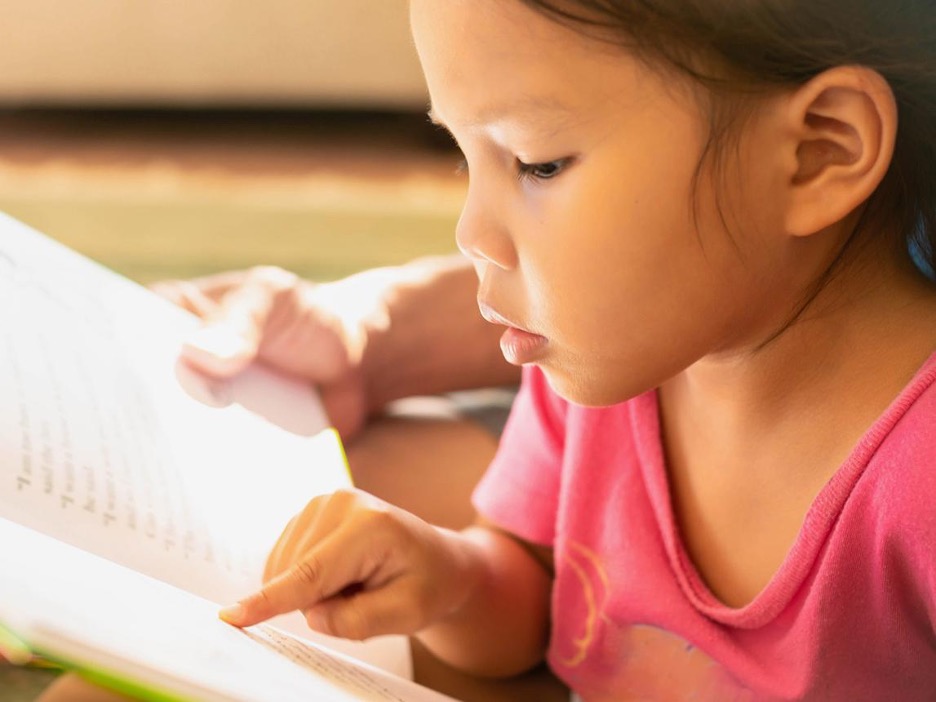
The key to helping children become strong readers begins with one simple thing: words.
Seeing words. Hearing words. Saying words. Using words every single day.
Research consistently shows that children develop stronger language and literacy skills simply through regular conversation and being read to often. In fact, a recent study found that children whose parents red them five books a day start kindergarten having heard nearly 1.4 million more words than children who were not regularly read to.
Wow!
And even if five books feel unrealistic on busy days, reading just one book a day can expose your child to nearly 290,000 more words by age five compared to children who are rarely read to,
That’s the incredible power of language exposure.
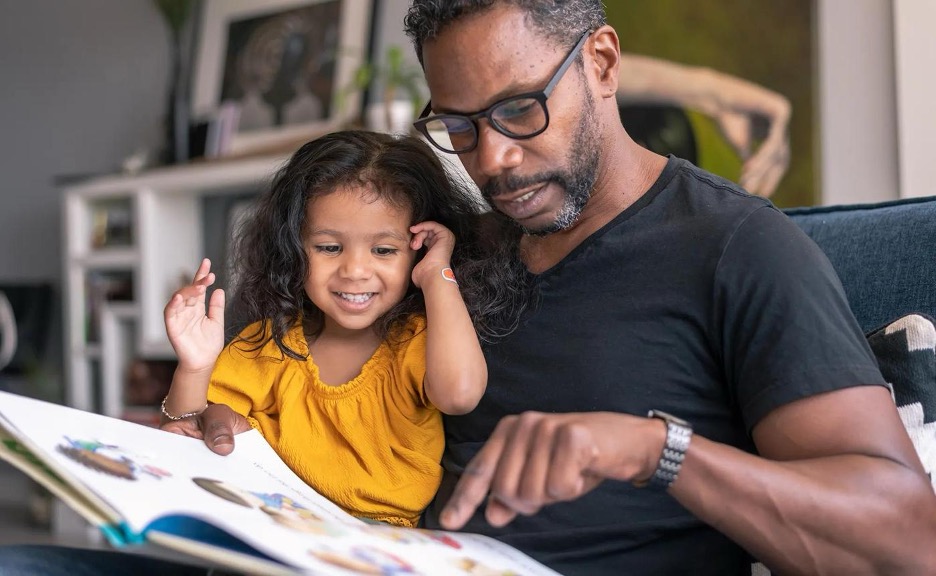
Books introduce children to rich, descriptive language that often goes far beyond our everyday conversations.
For example, in The Elves and the Shoemaker by Paul Galdone, children encounter words like:
• Garments
• Cobbler
• Delight
These are words many children may never hear during regular routines- but through books, they become familiar, meaningful, and exciting.
Picture books are full of beautiful language that expands a child’s vocabulary naturally and joyfully.
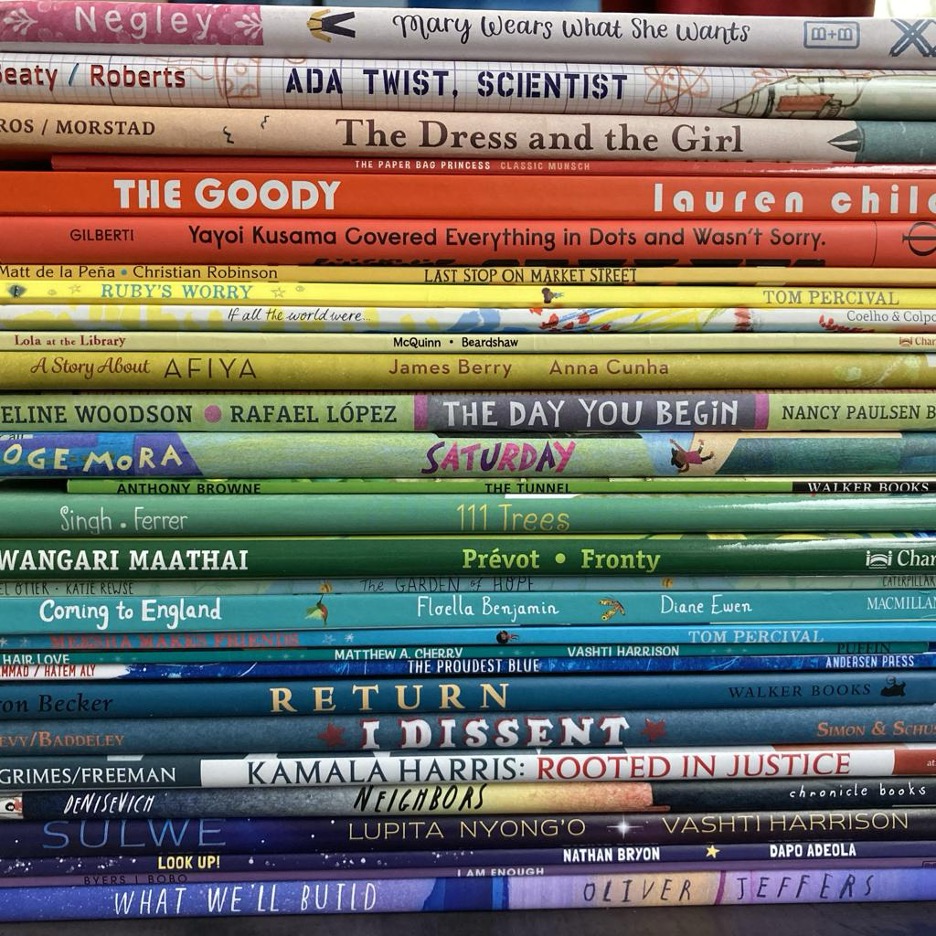
Reading one-on-one creates the perfect opportunity to pause and explore language together.
When you come across an interesting word:
• Point to it with your finger
• Say the word slowly
• Explain what it means
• Invite your child to repeat it
These small moments help children understand that the symbols and shapes on a page carry meaning and tell a story.
This is where early literacy begins-not through pressure or memorization, but through curiosity, connection, and repeated exposure.
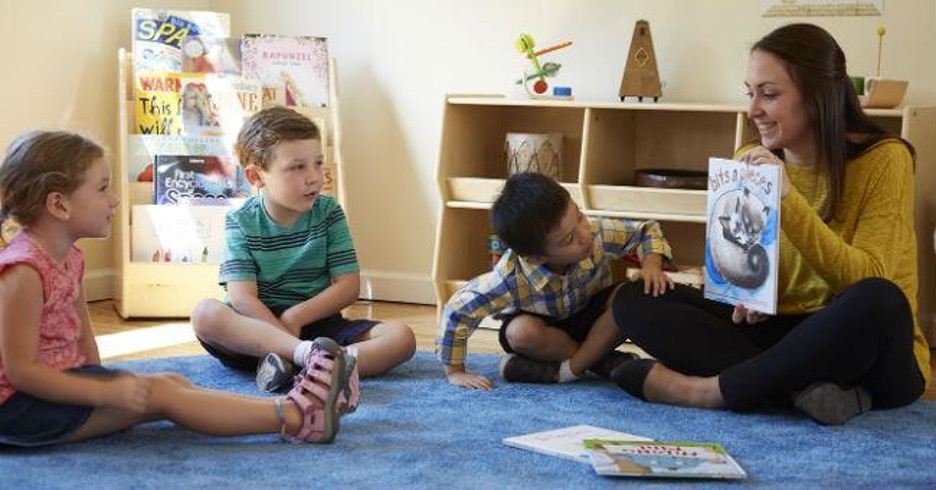
One of the best ways to build vocabulary is to lean into what your child already loves.
If your child is fascinated by dinosaurs, read everything you can find about dinosaurs:
• Fiction books
• Nonfiction books
• Books with illustrations
• Books with real-life photographs
Suddenly your child is hearing and using words like:
• volcano
• extinction
• carnivore
• herbivore
These are powerful vocabulary words that rarely appear in everyday conversation.
The same goes for any topic – oceans, construction trucks, insects, baking, weather, animals, or outer space. Interest fuels engagement, and engagement fuels learning.
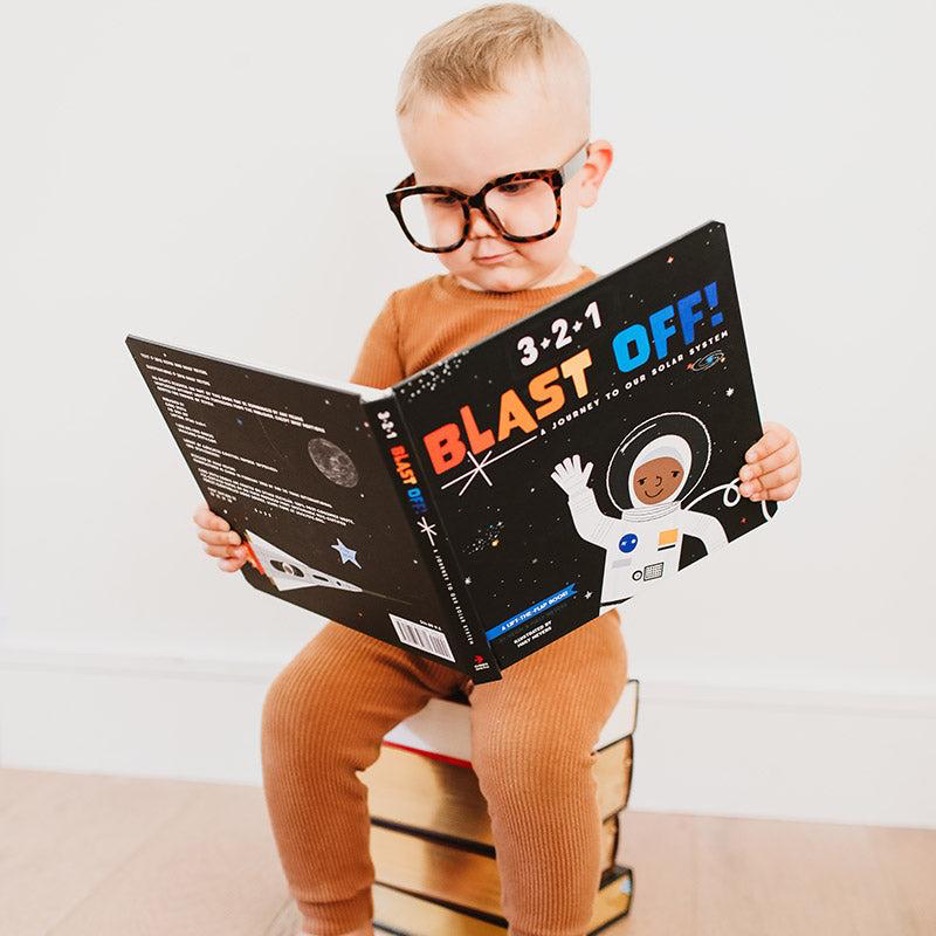
Don’t be afraid to share the subjects you love, too.
Children are naturally drawn to enthusiasm. When they see your excitement, curiosity becomes contagious.
If you love astronomy, for example, you might read How to Catch a Star by Oliver Jeffers, then follow it up with:
• Stargazing outside
• Creating stars from foil or pipe cleaners
• Drawing Constellations
• Talking about the planets and the moon
This combination of books, conversation, hands-on exploration, and meaningful connection creates powerful learning experiences right at home.
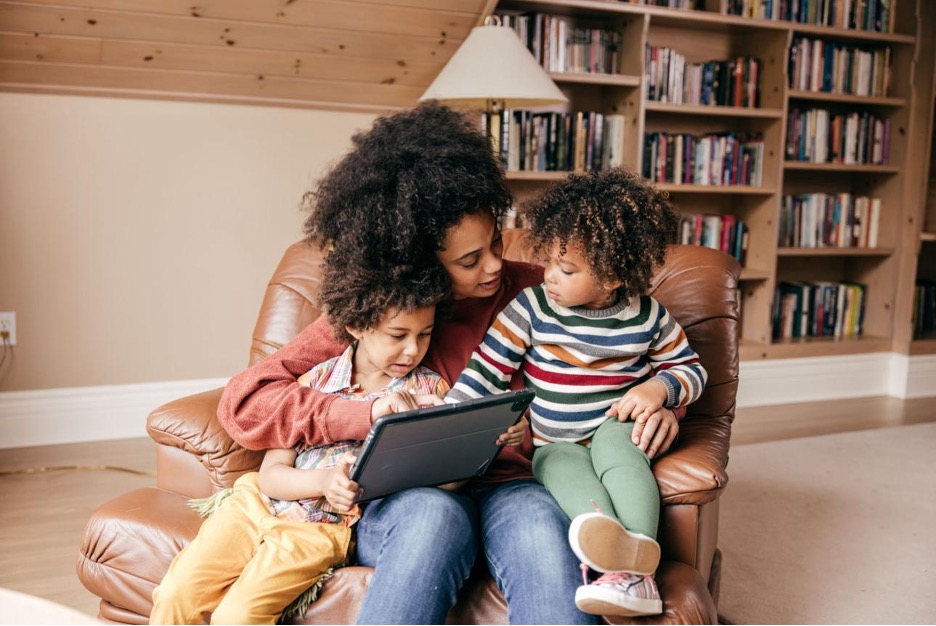
At the heart of literacy development is exposure to rich language, meaningful conversation, and joyful reading experiences.
Every book shared, every interesting word discussed, and every curious question answered helps lay the foundation for confident reading and lifelong learning.
At ABC Trace & Say, we believe words matter – and the simple act of reading together is one of the most meaningful gifts you can give your child. Happy reading!